




 Here is your click
Here is your quiz
Urifano
Here is your click
Here is your quiz
Urifano
Poor Urifano had been seriously injured!

 This campaign succeeded, it has been delivered on the 22/05/2026, discover the delivery pictures.
2,900 kg
Dry food offered
2,900 kg
Dry food necessary
Participate in confidence
Animal Webaction visited the site 03 May 2026 and confirms the situation described below.
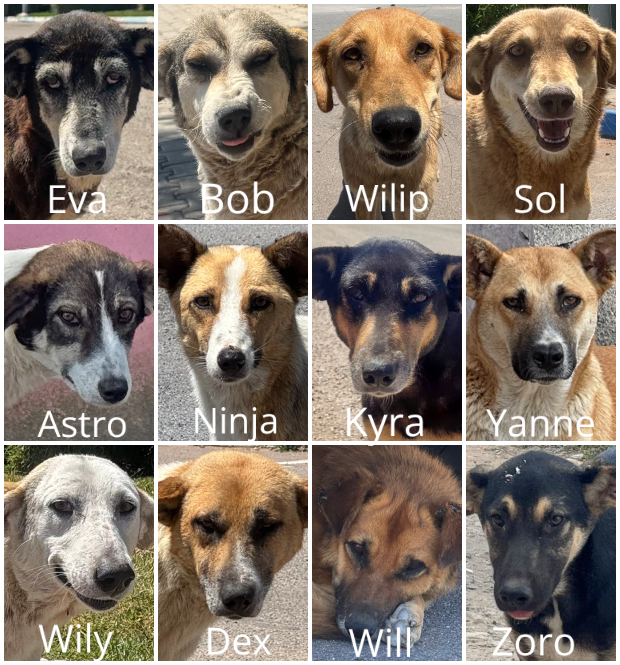
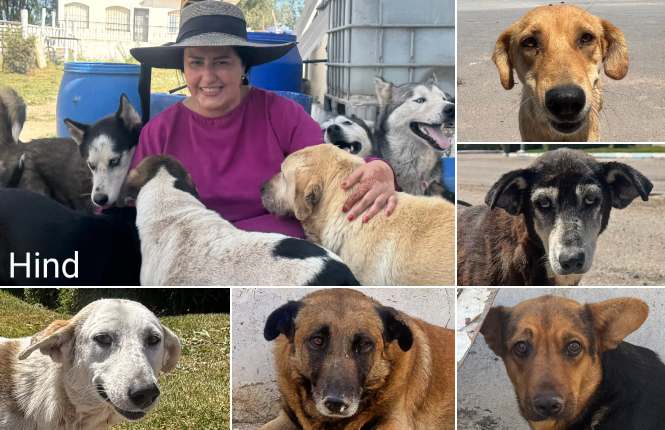
"On the streets, we currently care for between 250 and 350 dogs across different feeding points. Conditions have really deteriorated: we have less food, more tensions with people in the neighbourhood, dogs disappearing or being moved, and access to the places where they live is becoming more and more complicated. Abandonments, the lack of sterilisation and constant emergencies mean the situation keeps getting worse.
For several months, we’ve also had to reduce the portions on the streets, and above all, the frequency of our visits. Today, the volunteers can only feed the dogs two to three times a week, maximum. The rest of the time, they eat whatever they can find: leftovers, anything at all. They are hungry almost all the time, some are extremely weak, and they are forced to take risks to get something to eat.
My biggest fear is seeing them starve to death! If we don’t find kibble quickly, everything that currently helps ease their suffering a little will stop. The dogs will keep growing weaker, illnesses will increase, and some won’t make it. It’s very hard to witness this suffering and not have the means to do things differently..."
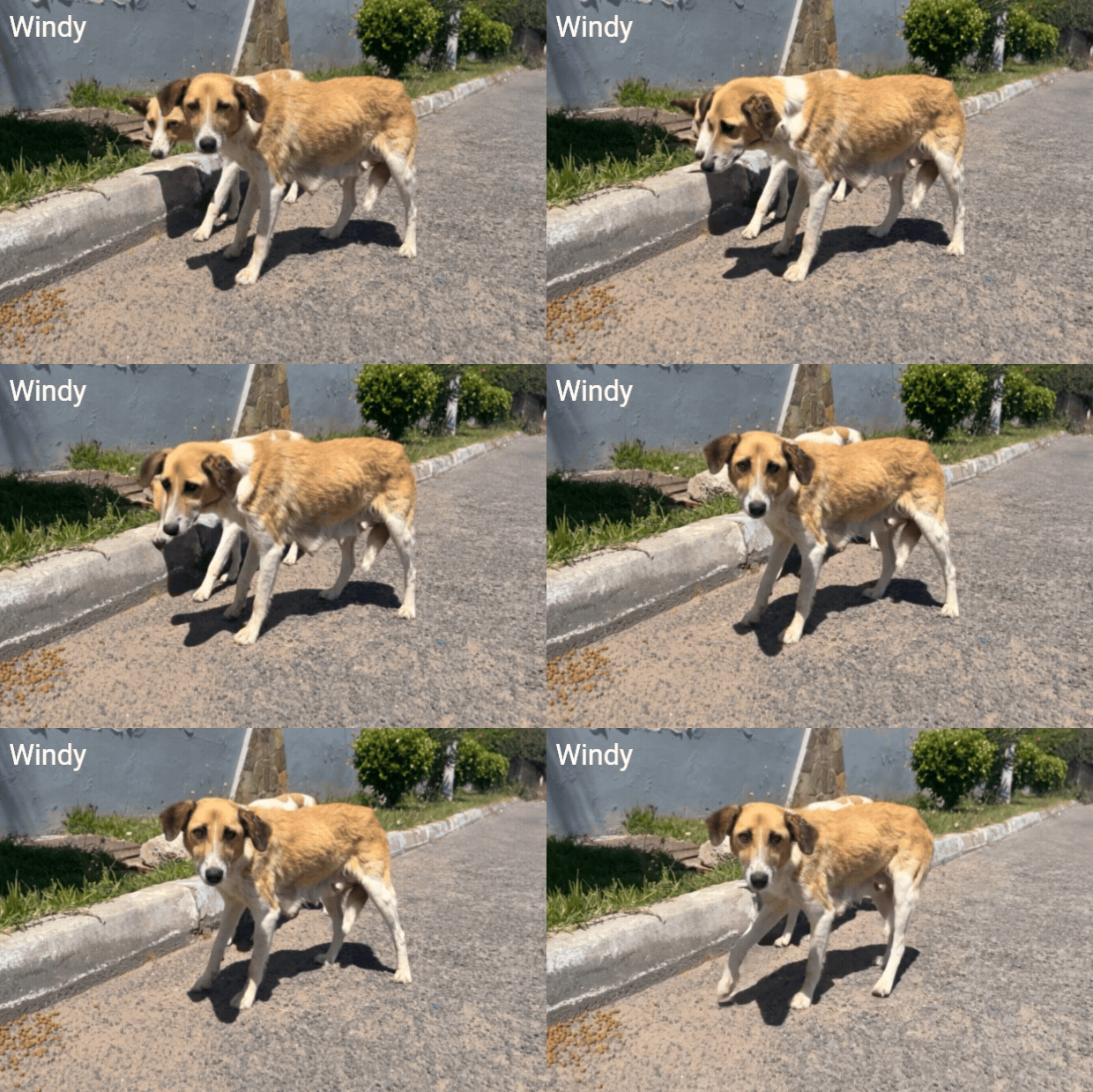
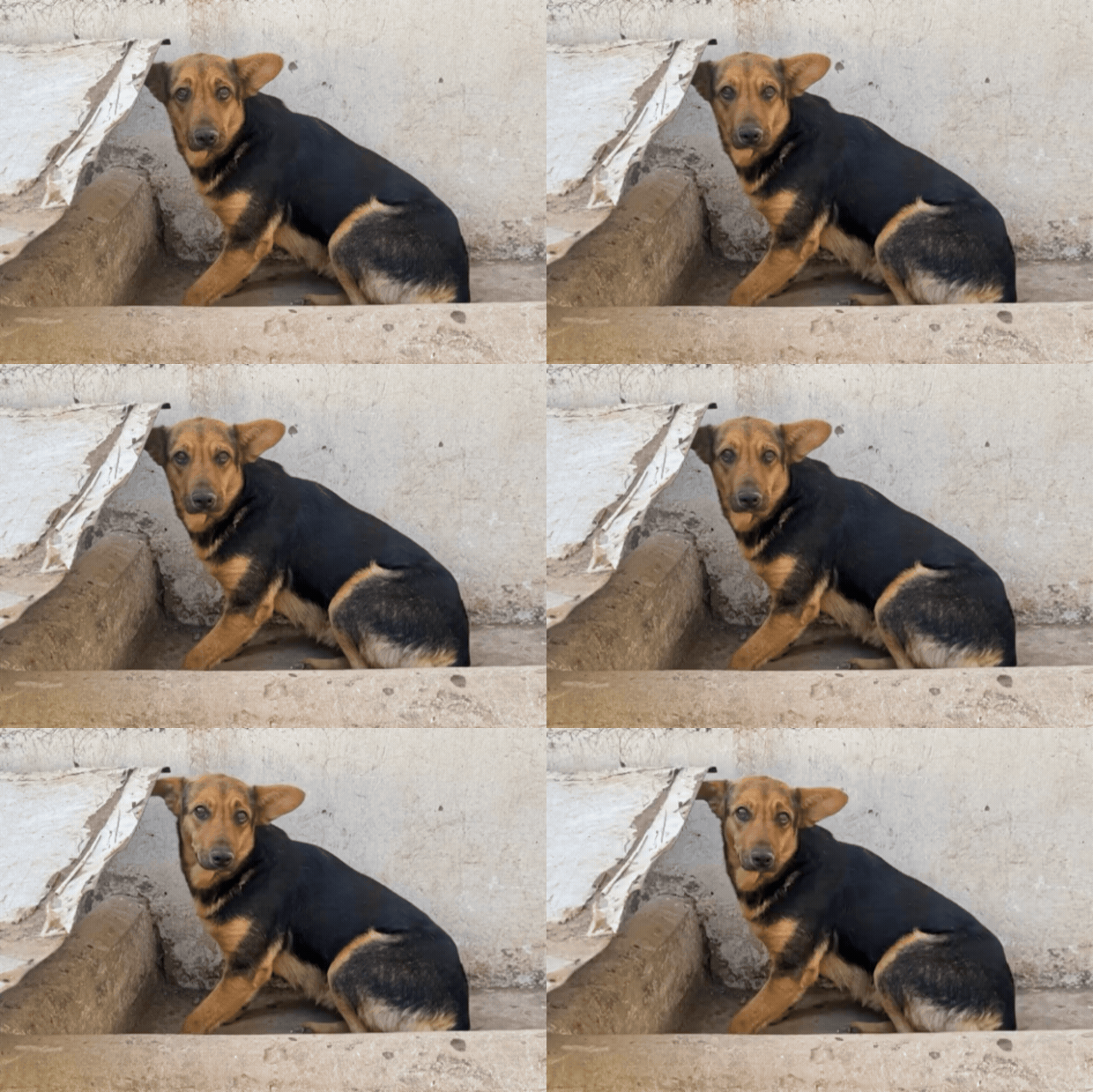
"Wyndi is an approximately 6-year-old street dog, probably abandoned. Like many others, she lives outside, exposed to danger, parasites and lack of food.
She was recently injured around the ear, probably because of a fight or an accident. Her condition is fragile: her wound is visible, possibly infected, and she needs veterinary care.
She is already weakened and injured: if she goes without kibble again, she won’t be able to heal properly, she will become more vulnerable to illness, and she may not survive on the streets..."
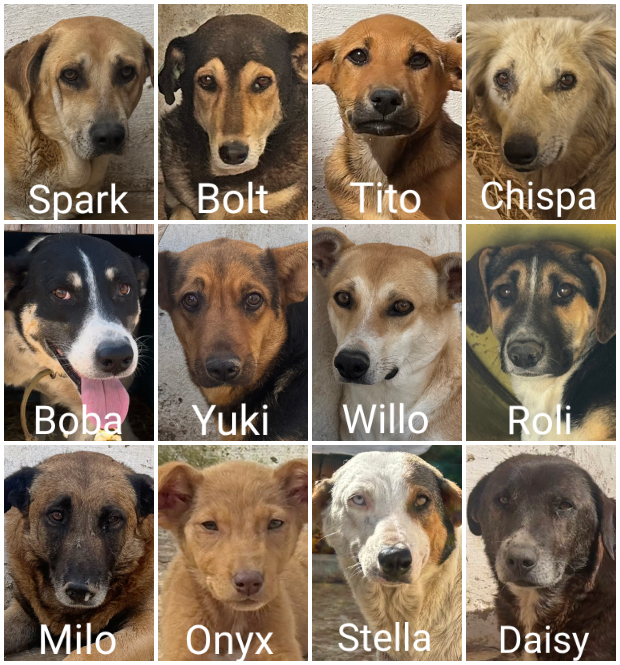
"At the shelter, we care for between 190 dogs at the moment, with also around ten dogs receiving veterinary care or staying with foster families. The number of dogs has increased enormously recently. The shelter is overcrowded, we lack space, suitable facilities, human resources and financial means...
There are only around 80 kg of kibble left, which is barely enough for two to three days of food at most. For several months, we’ve been forced to ration food at the shelter. When we have kibble, we give it to them ; otherwise, we try to supplement with bread, rice or leftovers, but it really isn’t enough.
The dogs are not eating their fill. They get sick, they are stressed. And in an overcrowded shelter, this tension can quickly become dangerous... Kibble is the foundation of everything! Without it, everything falls apart: we can’t stabilise the dogs, we can’t treat them properly, we can’t promise them a chance of survival..."
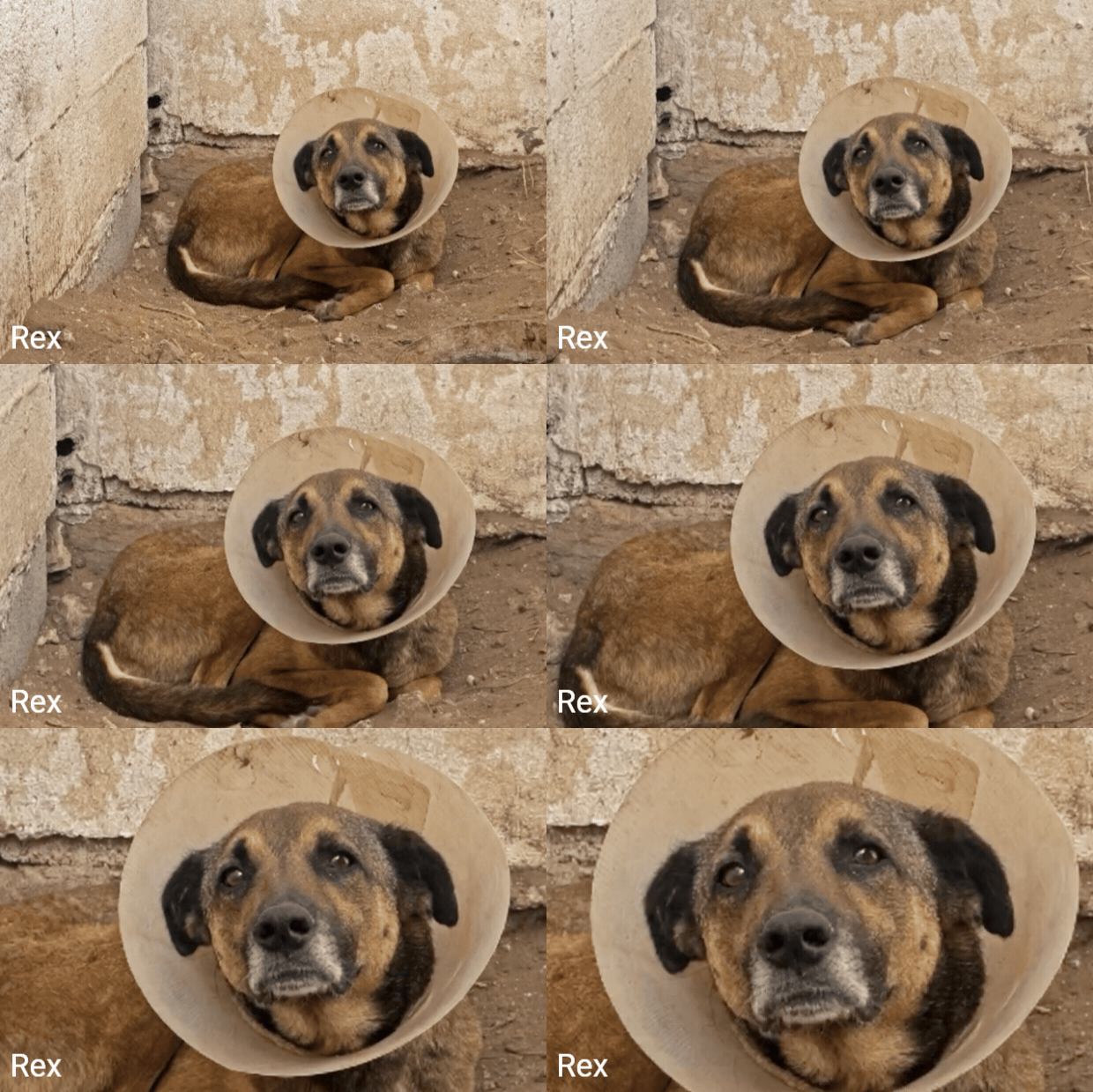
"Rex is 4 years old. I found him tied up, whimpering and calling for help. He was alone, with no one to look after him. I don’t know exactly what happened to him, but he had been abandoned in a truly critical condition.
When I took him in, he had a large open wound on his side. It was deep, old, infected… He had clearly received no care at all. Even today, his condition worries me a lot: he is in pain, he is weakened, and he needs urgent veterinary care to clean the wound, disinfect it, and receive antibiotics.
Despite the pain, Rex remains calm. He isn’t aggressive, he is mostly frightened and exhausted, but he lets us help him. He needs to eat properly so his body can fight the infection and heal. Without kibble, his immune system could collapse, his wound won’t heal, and his condition could become critical very quickly."
"Financially, the situation has clearly deteriorated. There are fewer donations than before, they are less regular, and often smaller too. With the economic crisis, inflation, donor fatigue and lack of visibility, finding help has become very difficult.
I’ve already tried everything: donation appeals, requests for help, personal efforts, occasional collaborations… But it’s no longer enough. There are outstanding bills, especially with veterinarians, but also for food and transport. The amounts are enormous. Because of the lack of funds, I’ve had to delay some consultations, stop routine veterinary follow-up, refuse non-urgent care and halt sterilisation. It’s very hard, because it means I can no longer help all the dogs who need it.
A few veterinarians help us with reduced rates, there are a few regular donors and sometimes collaborations with certain municipalities for catch, sterilise, vaccinate and release programmes. But it isn’t stable, and it isn’t enough to feed the dogs every day. This campaign is truly essential: it is a matter of survival for the dogs at the shelter as much as for those on the streets."
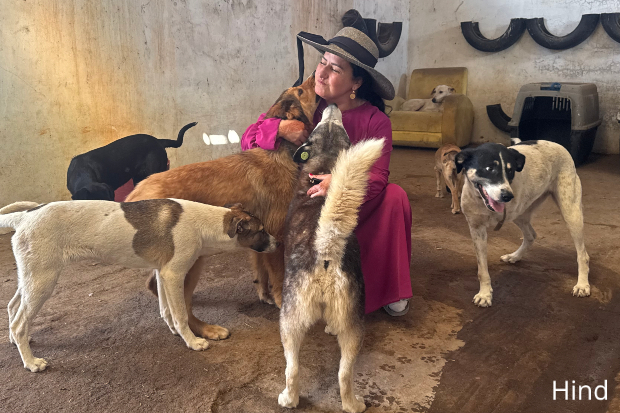
"I’ve been involved in the animal cause in Morocco for years. At first, I wanted to help however I could, and then the animals took up an enormous place in my life. At the shelter, I know all of them, or almost all of them, and they recognise me too. Some come to me from far away, just for a look, a presence, a little tenderness. I never imagined this bond would be so strong.
What keeps me going are the small moments: when a dog learns to trust again, when he finally feels reassured, when he comes back to me even though he was afraid of everything. Seeing an injured, abandoned dog, one who has suffered so much injustice, slowly come back to life… that’s what gives me the strength to keep going. But it is heavy too. People don’t always see the exhaustion, the stress, the helplessness. Sometimes, I’m exhausted, because I’d like to do more, but I don’t have the means.
I give everything I can, sincerely. But alone, I can’t feed so many dogs, pay for care, handle emergencies, abandonments, street dogs and those at the shelter. If this campaign succeeds, it will change something immediately: the dogs will eat, they will get better, and I’ll be able to breathe a little. All these animals deserve it, truly."
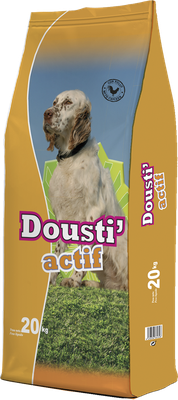
Animal Webaction has a logistic platform in Morocco, which allows us to intervene quickly and deliver kibble.
When a campaign fails, Animal Webaction cannot deliver the products. The beneficiary doesn't receive anything and the buyers are refunded.
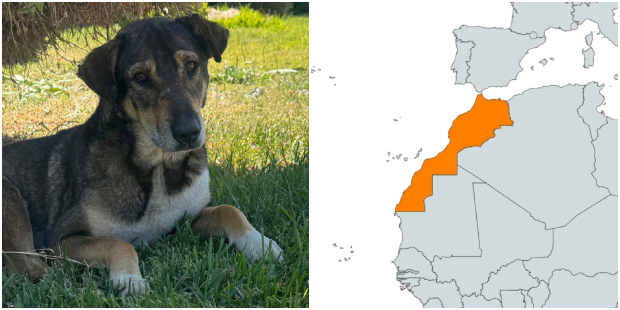
If you know of a foundation or NGO that could help Hind, please invite them to contact us so that we can put them in touch.
If you represent an animal protection foundation or NGO, please help Hind's dogs, contact us, and we will put you in touch!
If you want to visit Hind's shelter to help her or if you want to send her some kibble or a cheque directly, please contact Hind via Facebook (note: direct help is done on your own responsibility).
|
|
Safe payment
100% safe payment via Paypal or credit card.
|
|
|
|
Verified action
We've carried out checks on this action, Animal Webaction visited the shelter.
|
|
|
|
Sending kibble
The shelter won't receive any money, only the kibble bought on its behalf.
|
|
|
|
Delivery tracking
We will keep you posted and you will receive delivery pictures.
|
|
|
|
Satisfied buyers
Our satisfaction rate is 98% (read our 1067 Facebook reviews).
|
|
|
|
Expertise
Animal Webaction partners with 1000 animal welfare associations in 15 countries and has been existing for 13 years.
|
|
 Morocco
 Saving...
 Your subscription has been successfully saved.